

Is Gorilla Trekking Ethical?
Ethical Considerations for Gorilla Trekking
Gorilla Trekking is arguably the most popular wildlife activity for tourists visiting Uganda, Rwanda and Congo. This is because it is a very exciting to meet the primates up close. The thought of spending some time with them in their natural habitats as they go about their daily lives brings many tourists to Africa.
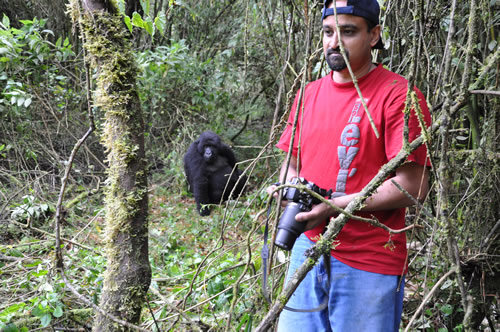
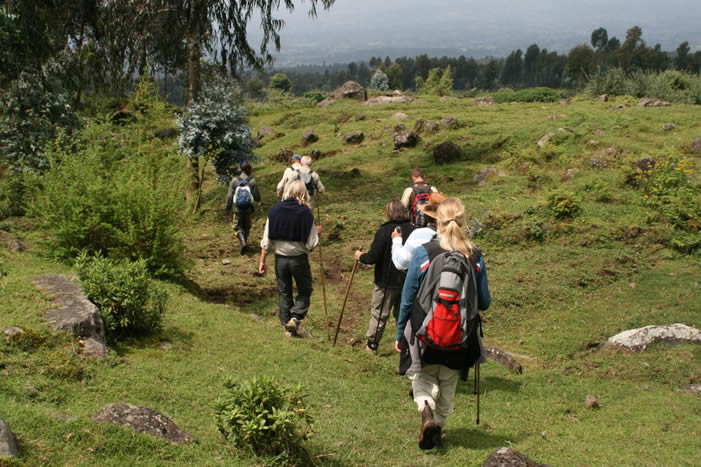 Is Gorilla Trekking Ethical? There are those who argue that excessive human exposure around the primates is an invasion of their privacy and could expose them to certain diseases. They also argue exposure to humans may also make them uncomfortable or aggressive. These groups of people do not think photographing gorillas, filming or using drones is ethical during gorilla trekking. The great primatologist Dian Fossey discouraged gorilla tourism and getting close to the primates. She also recommended that gorillas should be left alone in the wild.
Is Gorilla Tourism Ethical?
Whereas Fossey and others may have a point, it is important to consider that gorillas live in poor countries with lack of enough funds to protect the primates outside tourism. Gorilla Tourism is the only reliable way to raise resources necessary for gorilla conservation. Without tourists, money could still be raised from international wildlife Agencies and the local governments but this has not been enough. If you read more about Fossey’s Conservation work, you will note that government officials where less motivated to protect the primates because they didn’t see any direct benefits to them. Some may have even been conniving with poachers. Gorilla Trekking brings in Tourism revenue which is in itself a motivation for the local governments to protect the primates.
To take part in gorilla trekking, one is expected to have acquired a gorilla permit which goes for 1500 US Dollars in Rwanda, 800 US Dollars in Uganda and 450 US Dollars in Congo. The permits may be expensive but it is a bid to protect the endangered species by reducing the number of people visiting the animals per day. Gorilla Trekking is the only way to generate funds required for gorilla conservation related activities and that alone makes gorilla trekking ethical.
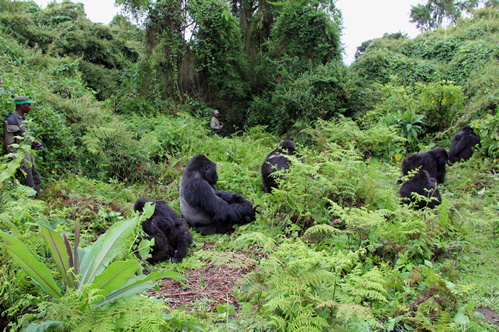 The money generated from visiting the primates has helped the three governments finance gorilla conservation activities like providing healthcare services to sick individuals (In partnership with the Gorilla Doctors), paying Game Ranger salaries and carrying out continuous primate-related research. Gorilla Trekking is therefore ethical.
Gorilla Trekking is ethical because it is organized while following very strict guidelines. The gorilla trekking rules help protect the primates, keep their natural habitats intact and eliminates any form of distress. The gorilla trekking rules or guidelines are always given to visitors by the Rangers during the briefing for gorilla trekking. These measures were put in place to protect the primates from all potential dangers and threats.
 It is important to note that the overall population of the mountain gorillas has increased over the years. For example, Bwindi impenetrable national park in Uganda was opened to the public in 1993 with just one habituated gorilla family that has now grown to 17. This excludes gorilla families that remain wild and not habituated. The growth in gorilla populations was in part because most of the former poachers were trained and recruited as Guides, Game Rangers and Porters. They have now become protectors of the primates. Because of gorilla Tourism, many people living in communities close to the park have been employed without having to move out of their surroundings to go look for survival. They are employed as Tourist Guides and Hotel staff. Some sell their art pieces to tourists visiting the national parks hence getting the money needed to pay fees and put a meal on the table for their families.
 As earlier noted, gorilla trekking has also become a major source of revenue to the governments in Uganda, Rwanda and Congo. Parts of the proceeds from gorilla trekking are used to enhance the capacity of surrounding communities for self-reliance through building roads, schools and hospitals among others. The economic value of gorilla trekking has encouraged the local communities to join hands in the protection and conservation. Their leaders help create awareness about the importance of wildlife and particularly the gorillas.
We can therefore conclude that gorilla trekking is ethical because and it has led to the development of various sectors across the countries where the parks are situated. Gorilla Trekking has helped eliminate poaching, pet trade and persecution of gorilla groups. If the primates were left alone in the wild as some suggest, they would become extinct due to pet trade, poaching and encroachment on their habitat by humans.