

Ajai Wildlife Reserve Uganda
Ajai Wildlife Reserve is found in north-eastern Uganda on the western banks of the river Nile. It is found in Madi Okollo District covering Ogoko Sub county, Inde Town Council, Pawor Sub county and Okollo Sub county. Ajai Wildlife reserve is located in an area with higher elevation but is relatively small measuring 166 square kilometers. The reserve is characterized by a prominent island that is surrounded by savannah grasslands/woodlands and swamps. This seasonal swamp is fed by the river Acha and Ala. During the rainy season, the swamp gets completely flooded cutting off the island from the outside world. This explains why animals continue to survive within the Island despite being close to a growing human population.
Ajai Wildlife reserve gained world attention when Theodore Roosevelt, a former American president visited in 1910 on a hunting expedition. At that time, the reserve had a high density of wildlife but the colonial government turned it into a sanctuary when animal numbers started to dwindle. The reserve was left under the protection of a very powerful local chief called Ajai. Ajai declared the area a protected zone in 1937 and introduced tough 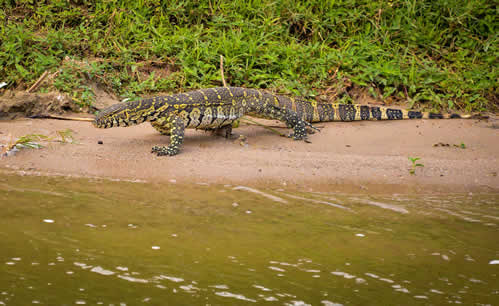 measures to stop poaching and encroachment on the island. After his death in 1965, the sanctuary was upgraded to a game Reserve with the main purpose of protecting Rhinos.
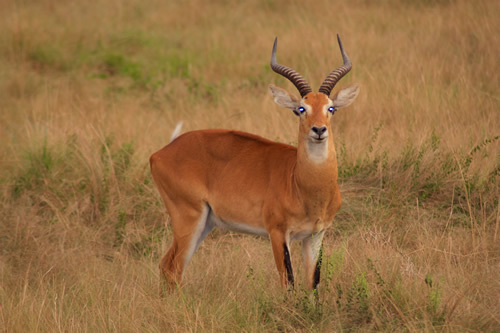
Ajai Wildlife Reserve has great Tourism potential. One can spot Black & White Colobus monkeys, black cobras, red monkeys, buffaloes, civets, bush-buck, the Common Duiker, puff adders, zebras, pythons, foxes, Vervet Monkeys, green snakes, Leopards, Sitatunga, Oribi, hartebeest, hippopotamuses, Dik Dik, Monitor lizards, Olive baboons, the Uganda Kob, warthogs and waterbucks. Ajai Game reserve is a great birding destination in Uganda. The swamps and woodlands combine to provide perfect habitat for countless bird species including Marabou Stocks, weaver birds, African Fish Eagles and Grey Crowned cranes.
What happened to the Rhinos in Ajai Wildlife Reserve?
Both black and white Rhinos roamed Uganda’s wilderness in great numbers. When Ajai took charge of managing the Sanctuary on behalf of the colonial government, about 80% of Uganda’s Rhino population called the reserve home at some point. After independence, more and more people encroached on the reserve for grazing and farming. As the human population surrounding the reserve increased, poachers hunted down animals in the reserve for food. They turned on the Rhinos when they discovered the value of their horns horns.
 The problems for Rhinos in Ajai started when poaching from South Sudan spread to Uganda. Rhino horns were valuable and a network of buyers were willing to pay handsomely for them. Rhinos were easy to poach given that they do not look out for danger like other larger animals. Approaching the Rhinos was so easy for the poachers and within only a few years, there numbers had reduced drastically attracting the attention of conservationists around the word. The second major reason for increased poaching as already noted earlier was the growing human populations that started putting pressure on the once remote reserve. Matters were made worse when the road conditions to the reserve improved. Managing the park and controlling poaching became very difficult with so many humans living so close to the reserve. The World Wildlife Fund put up an office within the reserve to contain poaching by engaging with communities and even offering incentives. This was not enough to stop the extinction of the White Rhinos in Ajai Wildlife Reserve. By 1970’s the overall population of white Rhinos in the reserve and Uganda as a whole had reduced drastically. When Idi Amin was being removed from power by Tanzanian troops, his unruly and errant soldiers hunted down the last Rhinos for their horns. The last Rhinos were removed away from Ajai Wildlife Reserve and taken to the Ziwa Rhino Sanctuary and a wildlife Ranch in Nakasongola under the close watch of the government and partners.
Note: After about two decades of breeding southern white rhinos at the Ziwa Rhino sanctuary, the numbers increased to over 45. 4 of them were reintroduced to Ajai Wildlife Reserve in January 2026. Travelers can now see the rhinos at the reserve.
Challenges and the way forward for Ajai Game Reserve
As already noted early, the human population around the Ajai Game reserve has kept increasing leading to encroachments on reserve land. Poaching for animals still exists but on a small scale. A new arrangement for managing the reserve was agreed between the Uganda Wildlife Authority and Uganda Wildlife Safaris (a tour company). In this new agreement, Uganda Wildlife safaris has the mandate to develop the reserve into a top tourist destination by setting up quality accommodation facilities, roads, 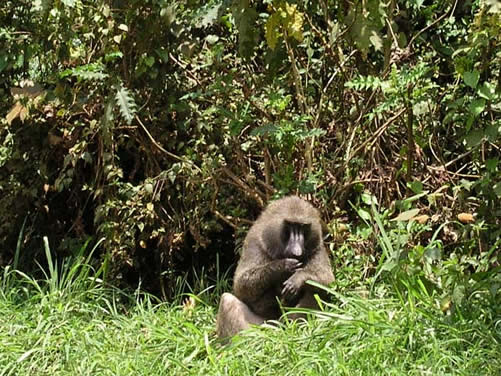 trails and an airstrip. The Uganda Wildlife Safaris also organizes sport hunting in the reserve alongside boat trips, nature walks, birding, photography tours, fishing and general wildlife viewing. The Uganda Wildlife Authority is responsible for providing security and providing overall supervision.
Things had been slow and not gone according to plan. One of the reasons for the delay in developing the reserve into a more attractive destination was the delay in restocking it with Rhinos as had been planned. The exercise required significant financial investments and good leadership. Moreover, security for the Rhinos and other wildlife needs to be guaranteed. It is estimated that about $10 million was needed to put up an electric fence around the reserve that would stop the animals from encroaching on human farms. The delay in bringing back the Rhinos had affected tourism in the reserve and had led to the loss of the necessary support from the local communities and their leaders.
The communities living close to the reserve and their leaders believed that if Rhinos were reintroduced by the government, it would restore the prestige of the area hence attracting more tourists with associated benefits. The residents did not value the wildlife currently in the reserve because they didn’t attract enough tourists. Some were even saying that if the government didn’t bring back the Rhinos, then it’s better to use the reserve for farming.
However, the Uganda Wildlife Authority took its time to re-introduce the Rhinos for fear that poachers may put their lives in danger. They had not forgotten what some members of the same community living near the reserve did to the Rhinos in the past. There was a need to first secure the reserve before bringing the Rhinos back.
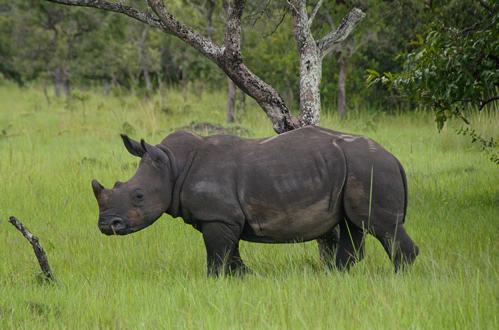 As stakeholders waited for government action in regard to restocking the reserve with Rhinos, sport hunting was thriving with other species like Sitatunga, the Uganda Kob, Waterbucks and other antelopes a target for hunters. Re-introducing white Rhinos in 2026 has demonstrated Uganda’s seriousness about wildlife conservation for posterity. By reintroducing the Rhinos in the reserve, it will also indirectly lead to the conservation of other threatened species in the reserve.
Additional Information about Ajai game reserve
- It takes 6 hours of driving by road to reach Ajai Wildlife Reserve. Tourists can also book a chartered flight from Kampala directly to Arua Airstrip which is close to the reserve.
- Ajai game reserve has mostly tented facilities within the reserve. Visitors who wish to have more comfortable facilities have to book with a hotel in Gulu or Arua towns before proceeding for activities in the reserve early in the morning. Another alternative is to stay in a hotel in the Murchison Falls National Park and proceed to the reserve for activities.
- Ajai Wildlife Reserve is open to tourists throughout the year but the best time to visit is during the dry seasons. The dry seasons fall between December to March and June to October. The other months are considered rainy seasons.
- The animals can be seen by going for nature walks or taking a safari vehicle right to the heart of the reserve.
Emma Barber
November 19, 2019 at 6:45 amHello. We are planning a trip (4X4 self drive with roof tent) in Uganda next August and would like some information on Ajai Game Reserv as follows:-
1. Can you self drive in the park?
2. Is there a campsite in the park? Or where is nearest campsite? Are there facilities?
3. What is the Entry fee and camp fee for foreigners?
Many thanks. Emma
Matua Sulaiman Keffason
January 9, 2023 at 8:59 pmIt’s not true that 22 square kilometers of Ajai Game reserve land has been given for refugee settlement. It’s not also true that people have taken the Ajai game reserve land for cultivation. It is the reserve authorities who have taken community land forcefully and at gun point.
JUDITH Azakozu
January 10, 2023 at 4:19 amI am so fascinated about this publication as a conservationist. AJAI has very interesting tourism opportunities as described. However we need a lot of community engagement and mindset change to appreciate community conservation and the benefits through exposure visits to where community conservation is working very well. 20 years back, I brought students for a study tour to Ajai and this did wonders to their minds. I come from the same area and always admire the blend of woodland, swamps cascading into wetlands towards the Nile River where motor sports can be enjoyed. I am eagerly looking forward to the improvement of this facility. I will love to take part in community education towards conservation.
Thomas De Cuyper
July 16, 2023 at 7:07 pmDear Team. I do have some questions about the reserve. The reserve immediately had my attention when I read about the rhinos and history of the reserve. Do you have any idea when the rhinos will be reintroduced? I would love to visit the reserve! Are there plans to put fences around the whole reserve? I think that would make it much easier to secure each animal. Are there plans to stop Sport hunting or not? I think the legalization of hunting would make it easier for poachers and that’s also a reason why I haven’t visit the reserve yet. Hunting is something I will never support or accept. Kind regards. Thomas.